
Editörden
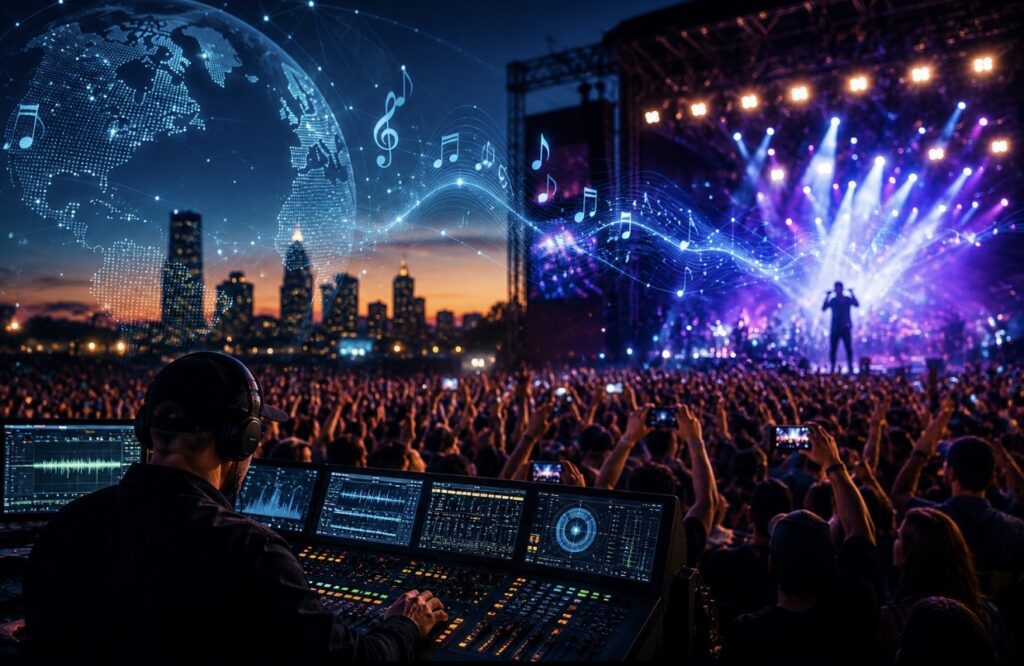
Kültür ve sanat, toplumların kimliğini şekillendiren en önemli unsurlar arasında yer alırken, müzik endüstrisi de dijital dönüşümün etkisiyle tarihinin en büyük değişimlerinden birini yaşıyor. Teknolojik gelişmeler, dijital platformlar ve yapay zekâ destekli uygulamalar, müzik üretiminden dağıtımına kadar tüm süreçleri yeniden tanımlıyor.
Uzmanlara göre küresel müzik sektörü son yıllarda istikrarlı bir büyüme gösterirken, dijital yayın platformları sektörün temel gelir kaynaklarından biri haline geldi. Sanatçılar artık eserlerini dünyanın dört bir yanındaki dinleyicilere saniyeler içerisinde ulaştırabiliyor. Bu durum hem kültürel etkileşimi artırıyor hem de yeni ekonomik fırsatlar oluşturuyor.
Kültür ekonomisi alanında yapılan araştırmalar, müzik ve yaratıcı endüstrilerin yalnızca sanatsal değer üretmediğini, aynı zamanda istihdam, turizm ve şehir markalaşmasına da önemli katkılar sağladığını ortaya koyuyor. Dünyanın birçok ülkesinde düzenlenen uluslararası müzik festivalleri milyonlarca ziyaretçiyi çekerek yerel ekonomilere ciddi gelir kazandırıyor.
Öte yandan yapay zekâ teknolojilerinin müzik üretiminde kullanılmaya başlanması yeni tartışmaları da beraberinde getiriyor. Uzmanlar, teknolojinin sanatçılara yeni imkânlar sunarken, telif hakları ve fikri mülkiyet konularında yeni düzenlemelere ihtiyaç duyulabileceğini belirtiyor.
Küreselleşen dünyada kültür ve müzik, yalnızca eğlence sektörü olarak değil; ekonomik kalkınma, uluslararası tanıtım ve toplumsal iletişim açısından stratejik bir güç olarak değerlendiriliyor. Önümüzdeki yıllarda kültür ekonomisinin ve müzik endüstrisinin büyümeye devam etmesi beklenirken, dijital dönüşümün sektöre yön vermeyi sürdüreceği öngörülüyor.
Anahtar Kelimeler: Kültür ekonomisi, müzik endüstrisi, dijital müzik, yapay zekâ, kültür politikaları, yaratıcı endüstriler, sanat ekonomisi, müzik festivalleri, dijital dönüşüm.
Mustafa Şimşek
Yatırım, Yönetim, Finans, Basın ve Dış Ticaret Danışmanı
The Cultural and Music Industry Is Rising Again in the Digital Age
Editor’s Note
While culture and art remain among the most important elements shaping the identity of societies, the music industry is experiencing one of the most significant transformations in its history as a result of digitalization. Technological advancements, digital platforms, and artificial intelligence-powered applications are redefining every stage of the music business, from production to distribution.
According to industry experts, the global music sector has shown steady growth in recent years, with digital streaming platforms becoming one of its primary sources of revenue. Artists can now reach audiences across the world within seconds. This development not only enhances cultural interaction but also creates new economic opportunities.
Research in the field of cultural economics indicates that music and creative industries generate more than artistic value; they also contribute significantly to employment, tourism, and city branding. International music festivals held around the world attract millions of visitors and generate substantial economic benefits for local communities.
At the same time, the growing use of artificial intelligence in music production has sparked new debates. Experts note that while technology offers innovative opportunities for artists, it may also require new regulations regarding copyright protection and intellectual property rights.
In an increasingly globalized world, culture and music are no longer viewed solely as entertainment industries. They are increasingly recognized as strategic tools for economic development, international promotion, and social communication. As the digital transformation continues, the cultural economy and music industry are expected to maintain their growth and play an even more influential role in the years ahead.
Keywords: Cultural Economy, Music Industry, Digital Music, Artificial Intelligence, Cultural Policies, Creative Industries, Arts Economy, Music Festivals, Digital Transformation.
Mustafa Şimşek
Investment, Management, Finance, Media and Foreign Trade Consultant
The Cultural and Music Industry Is Rising Again in the Digital Age
Editor’s Note
While culture and art remain among the most important elements shaping the identity of societies, the music industry is experiencing one of the most significant transformations in its history as a result of digitalization. Technological advancements, digital platforms, and artificial intelligence-powered applications are redefining every stage of the music business, from production to distribution.
According to industry experts, the global music sector has shown steady growth in recent years, with digital streaming platforms becoming one of its primary sources of revenue. Artists can now reach audiences across the world within seconds. This development not only enhances cultural interaction but also creates new economic opportunities.
Research in the field of cultural economics indicates that music and creative industries generate more than artistic value; they also contribute significantly to employment, tourism, and city branding. International music festivals held around the world attract millions of visitors and generate substantial economic benefits for local communities.
At the same time, the growing use of artificial intelligence in music production has sparked new debates. Experts note that while technology offers innovative opportunities for artists, it may also require new regulations regarding copyright protection and intellectual property rights.
In an increasingly globalized world, culture and music are no longer viewed solely as entertainment industries. They are increasingly recognized as strategic tools for economic development, international promotion, and social communication. As the digital transformation continues, the cultural economy and music industry are expected to maintain their growth and play an even more influential role in the years ahead.
Keywords: Cultural Economy, Music Industry, Digital Music, Artificial Intelligence, Cultural Policies, Creative Industries, Arts Economy, Music Festivals, Digital Transformation.
Mustafa Şimşek
Investment, Management, Finance, Media and Foreign Trade Consultant